Introduction
You’ve probably heard someone at the track talk about “dialing in the rear end” or “tightening up entry.” Nine times out of ten, they’re messing with something like a panhard bar. Sounds fancy, but it’s really just a simple piece of the suspension puzzle that makes a big difference in how your car handles.
Whether you run a Street Stock at Stafford, wrench on your hot rod in the garage, or tear through off-road trails on the weekends, this post breaks it down in plain English.
What Is a Panhard Bar?
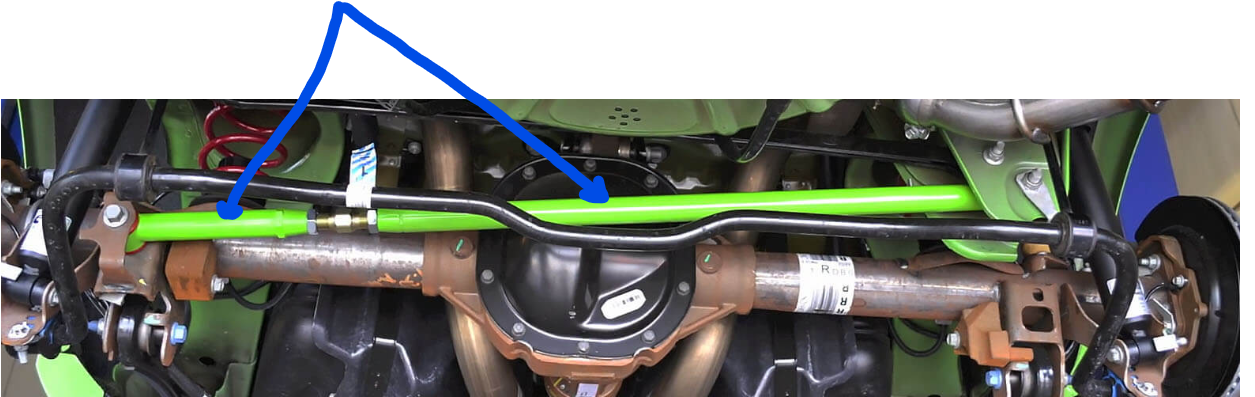
A panhard bar is a straight bar that runs sideways (side-to-side) from the chassis to the axle.
Its job?
It keeps your rear axle centered under the car during cornering. Without it, your rear end would shift left and right when you hit a bump or throw the car into a turn. That’s bad news at any speed.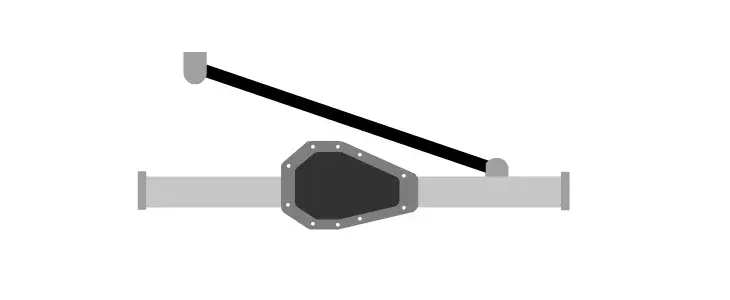
You’ll usually find panhard bars in:
- Leaf spring stock cars with coilover conversions
- Four-link or triangulated rear suspensions
- Custom off-road rigs with solid axles
Why It Matters at the Track
Here’s where it gets interesting.
Adjusting your panhard bar changes how your car behaves in the corners:
- Lower the bar at the frame side = more rear grip on corner exit
- Raise the bar = quicker rotation in the center, but looser on exit
- Move the bar left or right = shifts rear roll center and can tighten or loosen entry
At Stafford Motor Speedway, we’ve seen guys dial in tenths by tweaking bar height a half inch.
Hot Rods and Trail Toys
Even if you’re not racing, a panhard bar still matters.
- In hot rods, it keeps your ride straight during acceleration and helps prevent sway
- In off-road trucks, it’s critical to keeping your axle planted when climbing, crawling, or bombing over bumps
- In lowered cars, adding or adjusting a panhard bar corrects the rear axle offset that happens when you change ride height
What Can Go Wrong?
Like anything mechanical, it can fail if neglected:
- Bushings wear out = sloppy rear end movement
- Bent bar = erratic handling
- Wrong length = axle gets pulled off-center
Make sure your bar is level at ride height, secure at both ends, and sized properly for your setup.
Tech Tip: Choosing the Right Bar
Don’t overthink it, but don’t guess either.
- Measure from frame mount to axle center when vehicle is at race-ready stance
- Match bar length to that measurement
- Heim joints are better for racing; rubber bushings are quieter for street
Stop in at GRE6’s DIY Maker Space and we’ll help you mock it up, weld in mounts, or swap out worn hardware.
Wrap Up
The panhard bar is one of those parts you forget is there—until it’s not working right. It’s a $100 part that can win you a race, save your fender, or make your cruiser feel planted again.
Whether you’re looking to fine-tune your setup at Stafford, rebuild your rear end in the garage, or upgrade your off-roader, GRE6 has you covered.
Swing by the shop, shoot us a message, or catch the GRE6 trackside truck on Friday nights, during the season.
We stock adjustable panhard bars, heims, hardware, and even fab the custom stuff right here.
Need help with install?
Our Maker Space is open, and the welder’s warmed up.